


Maximizing ROI: What Is PPC Campaign Management
In the fast-paced digital marketing world, understanding how to effectively manage PPC (Pay-Per-Click) campaigns can be the key to maximizing your return on investment (ROI). This guide breaks down the essentials of PPC campaign management, unraveling its complexities into digestible, actionable insights.
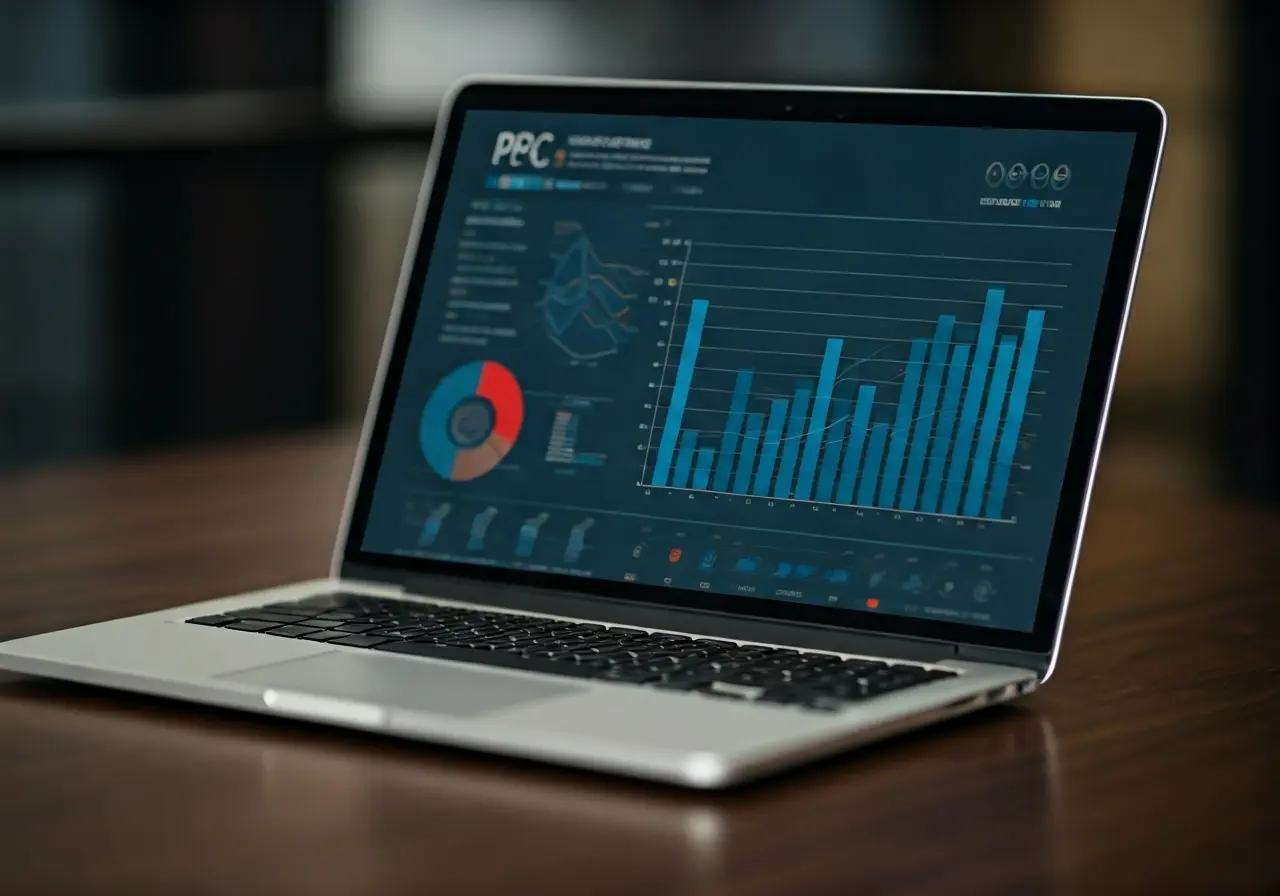
Understanding the Basics of PPC Campaigns
PPC or Pay-Per-Click is an advertising model that helps businesses drive traffic to their websites. In this setup, advertisers pay a fee each time one of their ads is clicked. It’s essentially a way to buy visits to your site rather than relying solely on organic traffic. PPC campaigns are highly targeted and can be set up to appear in search engine results, on websites within a network, or even on social media platforms, giving businesses direct access to potential customers actively searching for related products or services.
But why is PPC so popular? The answer lies in its ability to provide measurable results. Unlike traditional advertising methods, PPC allows you to track every penny spent and every click gained, offering insights into what’s working and what isn’t. Through platforms like Google Ads, you can access detailed reports that show the performance of your ads in real time, helping you make informed decisions about your marketing strategies. Moreover, PPC provides the flexibility to adjust campaigns on the fly, whether it’s increasing the budget for a high-performing ad or refining targeting parameters for better results.
The Importance of Keyword Research
Keywords are the cornerstone of any successful PPC campaign. By conducting thorough keyword research, you can target the right audience effectively. Using tools like Google Keyword Planner, advertisers can find the phrases most likely to bring in clicks and conversions. It’s not just about picking the most popular terms; a refined keyword strategy involves identifying long-tail keywords that align closely with user intent, often resulting in higher conversion rates and a better ROI.
What makes keyword research crucial is its ability to reveal the language and terms your potential customers are using. This understanding allows for the creation of highly targeted ads that resonate more with the audience. Additionally, by analyzing keyword performance data, you can continuously optimize and refine your strategy, allocating budgets towards the most effective terms. This dynamic approach ensures that your campaigns remain competitive and efficient, continually driving relevant traffic to your site.
Crafting Compelling Ad Copy
A well-written ad copy is crucial for the success of your PPC campaign. It must be engaging, concise, and tailor-made for your target audience, with a clear call to action that encourages users to click on your ad. The art of crafting ad copy lies in blending creativity with key selling points, ensuring that your message stands out in the crowded digital landscape.
Effective ad copy doesn’t just sell a product; it communicates a solution to the customer’s problem. It’s important to address the audience’s pain points and provide a compelling reason why your product or service is their best choice. By focusing on benefits rather than features, and incorporating power words that evoke emotions, you set the stage for higher engagement and conversion rates. Testing various ad versions also forms a critical part of this process, allowing you to identify and optimize the most impactful messages.
Setting a Budget: Finding the Right Balance
Setting a realistic budget is vital to ensure your campaign’s effectiveness. It’s essential to find the right balance between your available resources and the expected returns to avoid overspending while maximizing your profit. Start by defining your advertising goals and determining the maximum amount you’re willing to pay for a conversion that still allows for profitable results.
Understanding the nuances of bidding strategies is also key. Different strategies, such as cost-per-click (CPC) or cost-per-acquisition (CPA), can significantly impact how your budget is allocated and consumed. Evaluating past performance data can provide insights into the most cost-effective approaches. Remember, flexibility is crucial; as campaign dynamics and market demands change, being able to adjust your budget accordingly ensures sustained success and optimal ROI.
Analyzing and Optimizing Performance
Once your PPC campaign is live, continuous analysis is key. Use metrics like click-through rate (CTR) and conversion rate to assess how well your ads are performing. This data can help tweak and optimize campaigns for better results. By understanding which ads, keywords, or landing pages are driving conversions, you can allocate resources more effectively.
Optimization is an ongoing process, not a one-time task. Regularly reviewing your campaign’s performance allows you to capitalize on new opportunities and address areas where improvements are needed. Utilize A/B testing to experiment with different ad formats, headlines, and landing pages, striving for incremental gains. With each iteration, your understanding of customer behavior deepens, allowing for more precise targeting and greater ROI from your PPC investments.
Unlocking The Power of PPC for Higher ROI
PPC campaign management, when executed correctly, becomes a powerful tool for maximizing your ROI. By understanding the nuances of targeted keywords, crafting compelling ads, and leveraging data for continuous improvement, businesses can stay ahead of the competition and achieve their marketing goals efficiently. For more insights and personalized strategies, visit our homepage to explore how we can help elevate your campaigns.


