


What Are the Essentials of Web Development?
Web development is an exciting field, but it can be daunting to find out which elements are crucial to get started. This FAQ blog will guide you through the essential components you’ll need to understand and master to become a successful web developer.
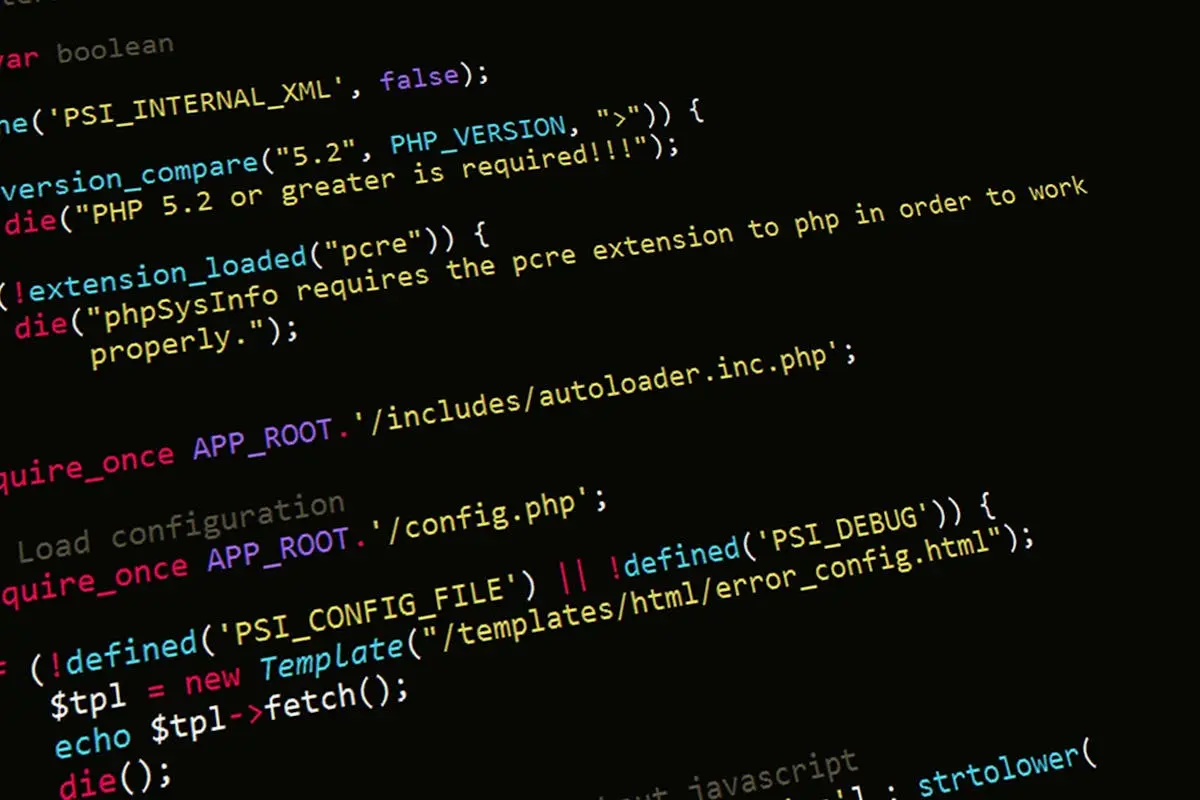
Understanding the Basics of HTML, CSS, and JavaScript
HTML, CSS, and JavaScript form the backbone of web development. HTML structures your web pages, CSS styles them, and JavaScript adds interactivity. Master these languages to create functional and appealing websites.
HTML, or HyperText Markup Language, is used to give structure to web pages. It helps in organizing elements like text, images, and links, thus forming the skeleton of a webpage. Think of it as the blueprint of your digital space.
CSS, which stands for Cascading Style Sheets, is what makes the web more beautiful. It controls the layout, colors, and fonts, allowing developers to enhance the visual appeal and user experience.
JavaScript is a powerful scripting language crucial for creating dynamic and interactive user experiences. From slideshows to complex web applications, JavaScript breathes life into your web pages.
Each of these languages has its own syntax and use cases, but together, they allow developers to craft diverse and interactive web experiences.
Getting Familiar with Responsive Design
Responsive design ensures your website looks great on all devices. Learn about media queries and flexible layouts to make your web designs adaptable to different screen sizes.
In a world where mobile traffic outweighs desktop, responsive design is non-negotiable. It’s all about offering the best possible user experience, regardless of the device or screen size.
Leverage CSS techniques like flexbox and grid layouts to create fluid designs that automatically adjust as per the viewing environment.
Exploring Frontend Frameworks
Frameworks like React, Angular, and Vue.js simplify the development process and help manage complex projects. Understanding these tools can improve the efficiency and scalability of your web applications.
React makes it easy to create interactive user interfaces by breaking down components, which leads to code reusability and efficient updates. It’s popular due to its speed and lightweight framework.
Angular, built by Google, is known for its robust architecture and offers developers a full set of tools for building dynamic single-page applications.
Vue.js is often praised for its simplicity and flexibility, making it ideal for both small and large-scale applications. Its ease of integration with existing projects makes it a favorite among developers.
Delving into Backend Technologies
Backend development involves server-side programming, databases, and APIs. Languages like Node.js, Python, or Ruby, along with database management systems like MySQL or MongoDB, are key components to learn.
Most web applications need a frontend and a backend, a server-side component that handles logic, database operations, and authentication.
Node.js, known for its event-driven architecture, allows developers to use JavaScript for server-side coding, creating a seamless development experience.
Python, with its diverse framework ecosystem like Django and Flask, offers quick and efficient solutions to backend development challenges.
The choice of database—be it relational or NoSQL—largely depends on the application’s requirements and scalability prospects.
Learning Version Control Systems
Version control systems like Git help track changes and collaborate on projects efficiently. Familiarize yourself with Git commands and platforms like GitHub to manage your codebase smartly.
In collaborative environments, version control is indispensable. It allows multiple developers to work together without overwriting each other’s code.
Understanding Git’s branching model grants developers the courage to experiment without risking the integrity of the existing codebase.
Platforms like GitHub and GitLab not only offer repositories but also provide numerous tools and integrations that streamline the development process.
Wrapping Up
Web development can seem overwhelming at first, but by focusing on these essentials, you’ll build a strong foundation for a rewarding career. Practice consistently, stay curious, and keep learning to stay ahead in the ever-evolving field of web development.


